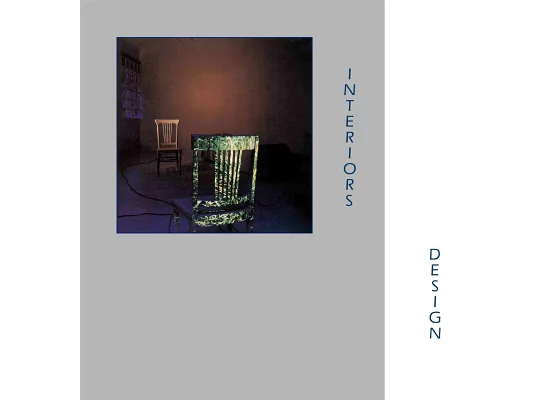
INTERIORS
DESIGN
Label: CANYON
Releasedatum: 08-11-2024
Herkomst: JP
Item-nr: 4932777
EAN: 4524135199294
Status: NRM
Voor 16:00 besteld, dezelfde dag verzonden.
LP (1)
€ 36.99
Op voorraad
Recensie
Interior’s 1987 sophomore album Design is a breathtaking, criminally overlooked masterclass in ambient synth-pop and environmental music. Originally formed by the brilliant duo of keyboardist Eiko Ishibashi (not to be confused with the contemporary composer) and synth mastermind Hidehiko Urayama, the group caught the ear of Haruomi Hosono and eventually saw their music licensed internationally by Windham Hill Records. Design perfectly captures the mid-80s intersection of Japanese minimalism and high-end acoustic-electronic fusion, playing like a pristine sonic companion piece to an architectural exhibition.
The genius of the record is its absolute mastery of space, tone, and texture. While their self-titled debut leaned heavier into rhythmic new-wave synth-pop, Design settles into an incredibly rich, cinematic tranquility. Tracks like "Techno-Prima" and "NIGHT-PIECE" pair glassy, intricate synthesizer sequences with gorgeous acoustic layers like real violin, oboe, and marimba. The production is so impeccably clean that every single note feels perfectly positioned within the stereo field, mirroring the meticulously curated interior spaces the band named themselves after. It seamlessly bridges the gap between the futuristic Tokyo electronics of YMO and the rustic, pastoral ambient aesthetics of Western labels. It remains a flawless, deeply soothing hidden gem of the environmental music era that leaves listeners with an overwhelming sense of balance and calm.